A Fidai Film review – Palestinian collage film transforms suppressed footage into works of art
مراجعة فيلم من إنتاج فدائي – فيلم تجميعي فلسطيني يحوّل لقطات محظورة إلى أعمال فنية
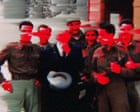
A Fidai Film review – Palestinian collage film transforms suppressed footage into works of art
Using archive material of destroyed houses, terrorised children and dead bodies, Kamal Aljafari adds humanity to the reels by overlaying poems by Palestinian authorsIn Arabic, “fidai” means someone willing to sacrifice themselves for the greater good. Borrowing this word, which is at times used in a military context, for his collage film, Palestinian film-maker Kamal Aljafari stages a potent uprising of images against the tide of propaganda and historical erasure. Much of the film draws on archive materials once housed in the Palestine Research Centre in Beirut. In 1982, during the Lebanese civil war, Israeli forces raided the centre and seized the archive. Most of these documents on Palestinian history – books, newspapers, audiovisual artefacts – are believed to still be in the hands of the Israeli army.Obtained through clandestine means, the footage that resurfaces in Aljafari’s film bears the physical traces of political suppression. The images are scratched, grainy and pixelated, yet through the power of montage they evoke startling visual parallels that point to the relentless violence endured by Palestinians through the decades. Black-and-white film taken during the British mandate show soldiers patrolling the streets and inflicting violence upon the Indigenous population; similar acts then committed by Israeli forces. In place of a chronological order, the editing builds a sense of continuity through recurring images. Time and time again, we see torn-down houses, terrorised children and the bodies of Palestinians murdered by occupation forces. Continue reading...
مراجعة فيلم من إنتاج فدائي – فيلم تجميعي فلسطيني يحوّل لقطات محظورة إلى أعمال فنية
باستخدام مواد أرشيفية لمنازل مدمرة وأطفال مرعوبين وجثث، يضفي كمال الجعفري بُعدًا إنسانيًا على المشاهد من خلال دمج قصائد لشعراء فلسطينيين. في اللغة العربية، تعني كلمة "فدائي" الشخص المستعد للتضحية بنفسه من أجل الصالح العام. وباستعارة هذه الكلمة، التي تُستخدم أحيانًا في سياق عسكري، لفيلمه التجميعي، يُقدّم المخرج الفلسطيني كمال الجعفري انتفاضة صورية قوية ضد تيار الدعاية وطمس التاريخ. يعتمد جزء كبير من الفيلم على مواد أرشيفية كانت محفوظة في مركز الأبحاث الفلسطيني في بيروت. في عام 1982، خلال الحرب الأهلية اللبنانية، داهمت القوات الإسرائيلية المركز واستولت على الأرشيف. يُعتقد أن معظم هذه الوثائق المتعلقة بالتاريخ الفلسطيني - كتب وصحف ومواد سمعية بصرية - لا تزال بحوزة الجيش الإسرائيلي. تحمل اللقطات التي تظهر في فيلم الجعفري، والتي تم الحصول عليها بطرق سرية، آثارًا مادية للقمع السياسي. الصور مشوشة، محببة، ومشوشة، لكنها، بفضل قوة المونتاج، تستحضر أوجه تشابه بصرية مذهلة تشير إلى العنف المتواصل الذي عانى منه الفلسطينيون على مر العقود. تُظهر لقطات بالأبيض والأسود، صُوّرت خلال فترة الانتداب البريطاني، جنودًا يجوبون الشوارع ويمارسون العنف ضد السكان الأصليين؛ أعمال مماثلة ارتكبتها القوات الإسرائيلية آنذاك. وبدلًا من الترتيب الزمني، يُرسي المونتاج إحساسًا بالاستمرارية من خلال تكرار الصور. مرارًا وتكرارًا، نرى منازل مهدمة، وأطفالًا مرعوبين، وجثث فلسطينيين قُتلوا على يد قوات الاحتلال. تابع القراءة...
- DataVista record
- DV-A-4074921
- Original published time
- 2026-10-12 00:00:00 Asia/Beirut
- Added to archive
- 2026-10-17 03:10:06 Asia/Beirut
- Observatory
- Lebanon Observatory
- Source
- صحيفة الغارديان
- Original language
- EN
The original title, description and source URL remain attributed to the publisher. The archive reference, indexing, search and filters are DataVista organizational metadata and do not imply endorsement of source content.